
When it comes to capturing high-quality video, one of the most important factors to consider is your camera’s sensor size.
For content creators, understanding how sensor size impacts video quality can be a game-changer, especially in challenging lighting conditions.
In this post, we’ll break down why sensor size matters, what makes full-frame sensors so desirable, and how a larger sensor can enhance your videos by improving low-light performance, creating that coveted background blur, and affecting your field of view.
Let’s dive in to see how sensor size can make a real difference in your video quality!
What is a Camera Sensor, and Why Does Size Matter?
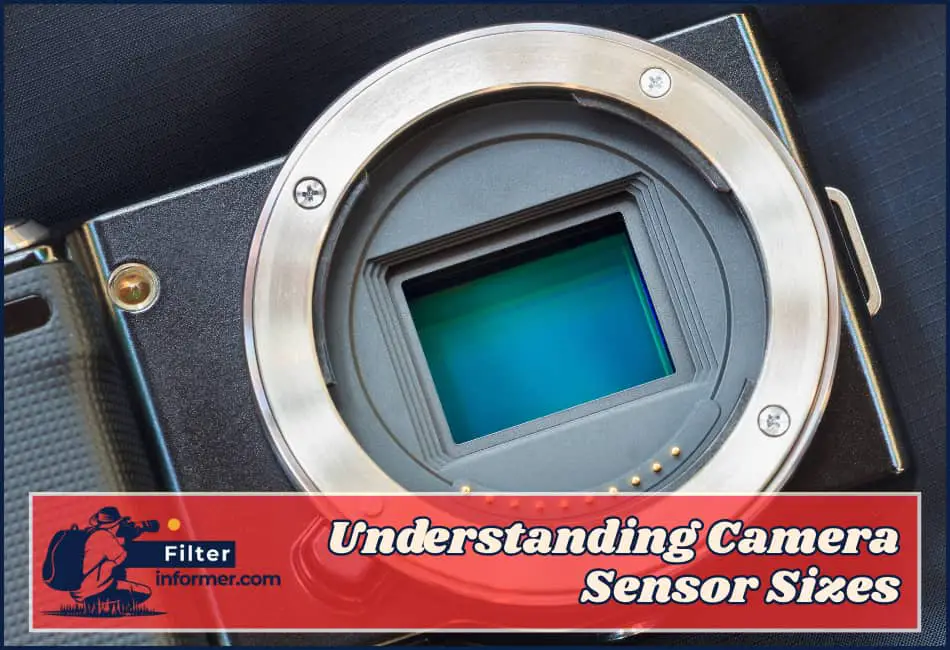
A camera sensor is the part of your camera that captures light and transforms it into an image. Sensors are made up of photosites. Think of it as the “eye” of your camera that collects and interprets light data.
But when it comes to sensors, size really does matter. Larger sensors can capture more light and more detail, resulting in better image quality. This in-depth guide from DPReview explores how sensor size directly affects video and image quality across different camera types.
- Why It Matters: A larger sensor allows each photosite, or light-collecting area, to be bigger. This means it can gather more light data, which translates into sharper, clearer images, especially in low-light situations.
- Tip: Understanding sensor size helps you make informed choices about your camera setup, especially if you frequently film in different lighting conditions.
Knowing what a sensor does and why size matters is the first step in making smart decisions for your video setup, helping you capture the best possible quality with the tools you have.
Full-Frame Sensors
Full-frame sensors are often considered the top choice for professional video quality. These sensors are larger than other types, allowing them to capture more light and detail, which leads to sharper, more vibrant images with less noise.
If you have the budget, investing in a full-frame sensor camera can significantly enhance your video quality.
- Why It Matters: Full-frame sensors have larger photosites, which means they collect more light per pixel. This helps produce high-quality images, especially in low-light environments, where other cameras might struggle.
- Tip: If you’re serious about creating professional content and can afford it, a full-frame sensor provides more flexibility and quality, especially in challenging lighting conditions.
Low-Light Performance: How Sensor Size Impacts Video Quality
One of the biggest advantages of a larger sensor is its ability to capture high-quality footage in low-light conditions.
Larger sensors allow more light to hit each photosite, resulting in clearer, brighter images even when lighting is less than ideal.
For content creators, this means you can capture better-looking videos indoors, at night, or in dimly lit environments without relying on extensive lighting setups.
- Why It Matters: Most content creators film in less-than-perfect lighting conditions, like indoor spaces or shaded areas. A larger sensor helps you maintain image quality in these situations, reducing noise and grain.
- Additionally, understanding HDR and dynamic range can help optimize video quality in tricky lighting conditions.
- Tip: If you frequently film in dimly lit areas, consider a camera with a larger sensor to improve your video quality without additional lighting equipment.
Having a camera that performs well in low-light conditions offers more flexibility in where and when you can film, making a larger sensor a valuable asset for versatile content creation.
Background Blur
Another benefit of a larger sensor is its ability to create a beautiful background blur. This effect makes your subject stand out by blurring the background, giving your videos a cinematic, professional look. If you’re filming on a smartphone, here’s how to achieve a beautiful background blur even without a large sensor.
Larger sensors naturally produce more background blur than smaller ones, especially when paired with a wide-aperture lens.
- Why It Matters: Background blur is a popular look in professional video because it draws the viewer’s attention to the subject. A larger sensor enhances this effect, making it easier to achieve that dreamy, soft background with less effort.
- Tip: To get the best background blur, use a larger sensor camera with a wide-aperture lens. This combination will help you create that desirable, high-quality look even with a simple setup.
Crop Factor: How Smaller Sensors Affect Your Field of View
When using a camera with a smaller sensor, (which is any camera sensor that has a sensor less than full frame) you may encounter something known as the crop factor.
Smaller sensors “crop in” on the image, which means they narrow your field of view compared to a full-frame sensor.
This can make your subject appear closer than it actually is, which may not be ideal for certain shots.
- Why It Matters: Understanding crop factor is crucial when planning shots, as it affects the framing and composition of your video. With a smaller sensor, you’ll need a wider lens to achieve the same field of view as a full-frame camera.
- Understanding how focal length impacts your video can help you choose the right lens to compensate for crop factor and get the framing you need.
- Tip: If you’re working with a crop sensor, consider investing in a wider lens to capture a similar look to a full-frame sensor. This will help you maintain the field of view you want for your shots.
Being aware of crop factor allows you to plan around it, ensuring you get the framing you want without unexpected surprises in your composition.
It’s an important consideration, especially if you’re transitioning from a full-frame to a crop sensor camera.
Conclusion
Understanding camera sensor size can make a big difference in the quality and style of your videos. From improved low-light performance to achieving a professional background blur and managing crop factor, sensor size plays a crucial role in how your content looks and feels.
For content creators, these differences can mean the flexibility to shoot in various conditions and the ability to achieve that polished, cinematic look.
While full-frame sensors are ideal for versatility and quality, smaller sensors can still produce excellent results when you know how to work with their limitations.
Ultimately, choosing the right sensor size depends on your specific needs, budget, and the type of content you want to create.